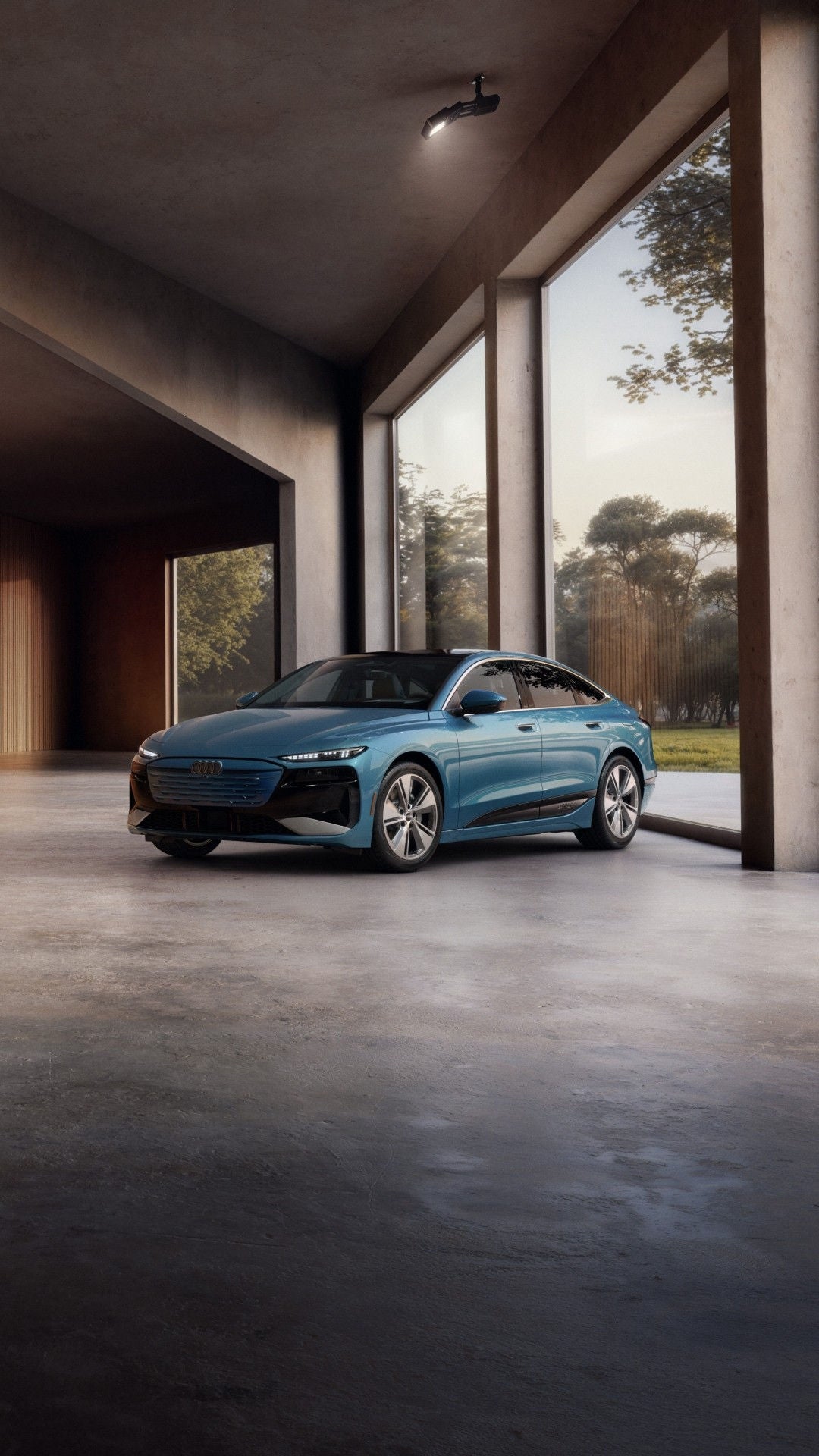
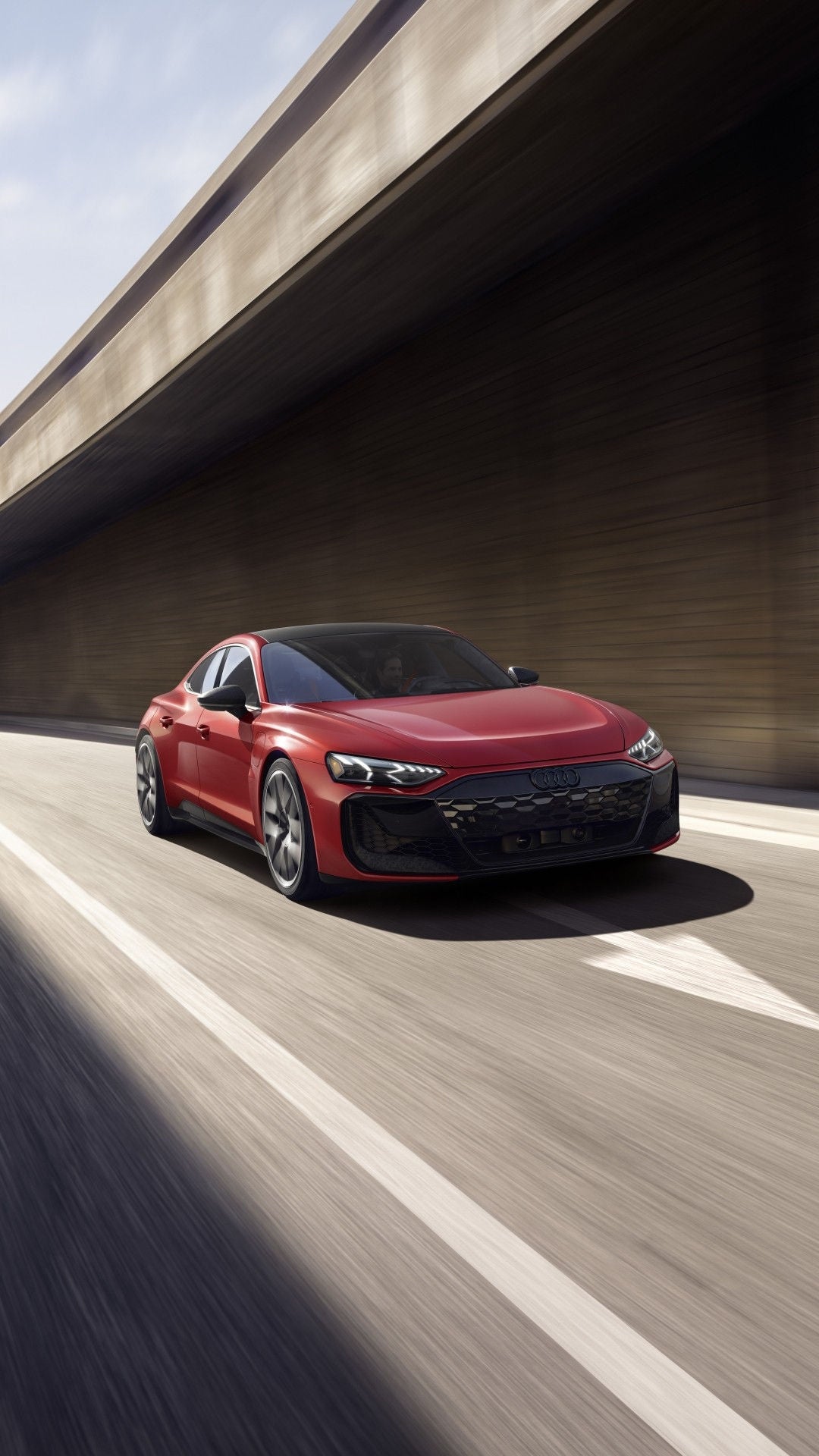
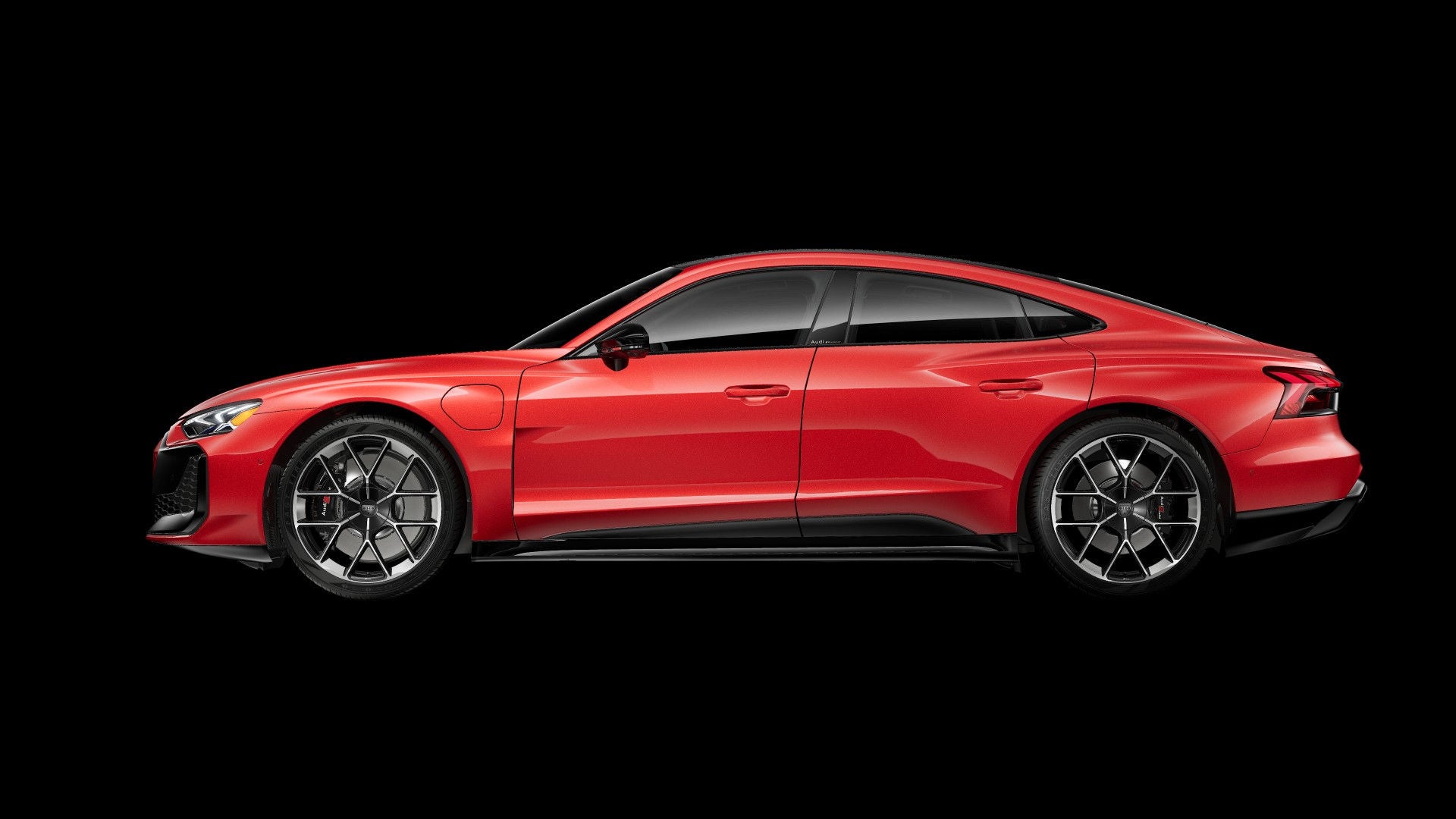
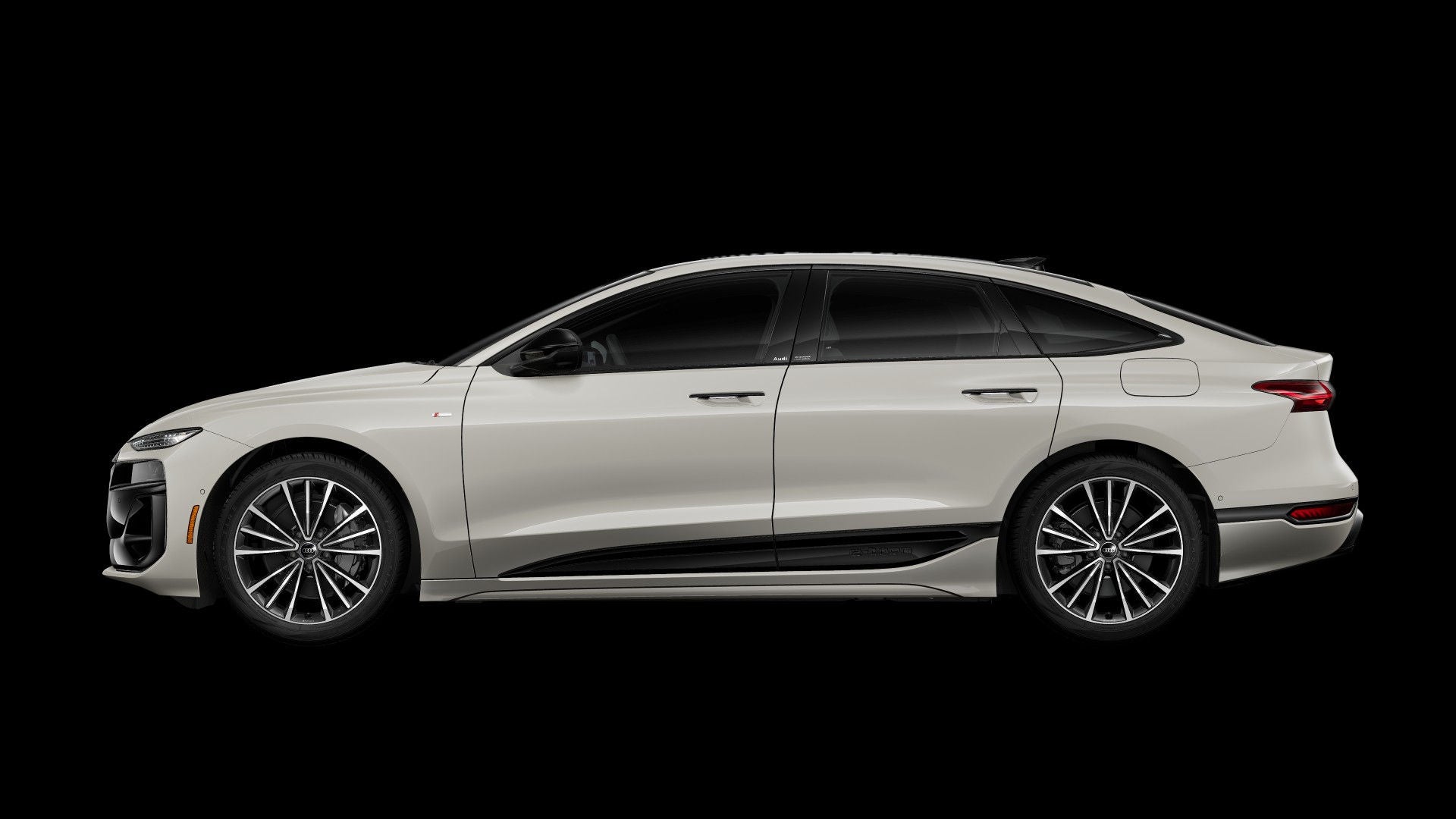
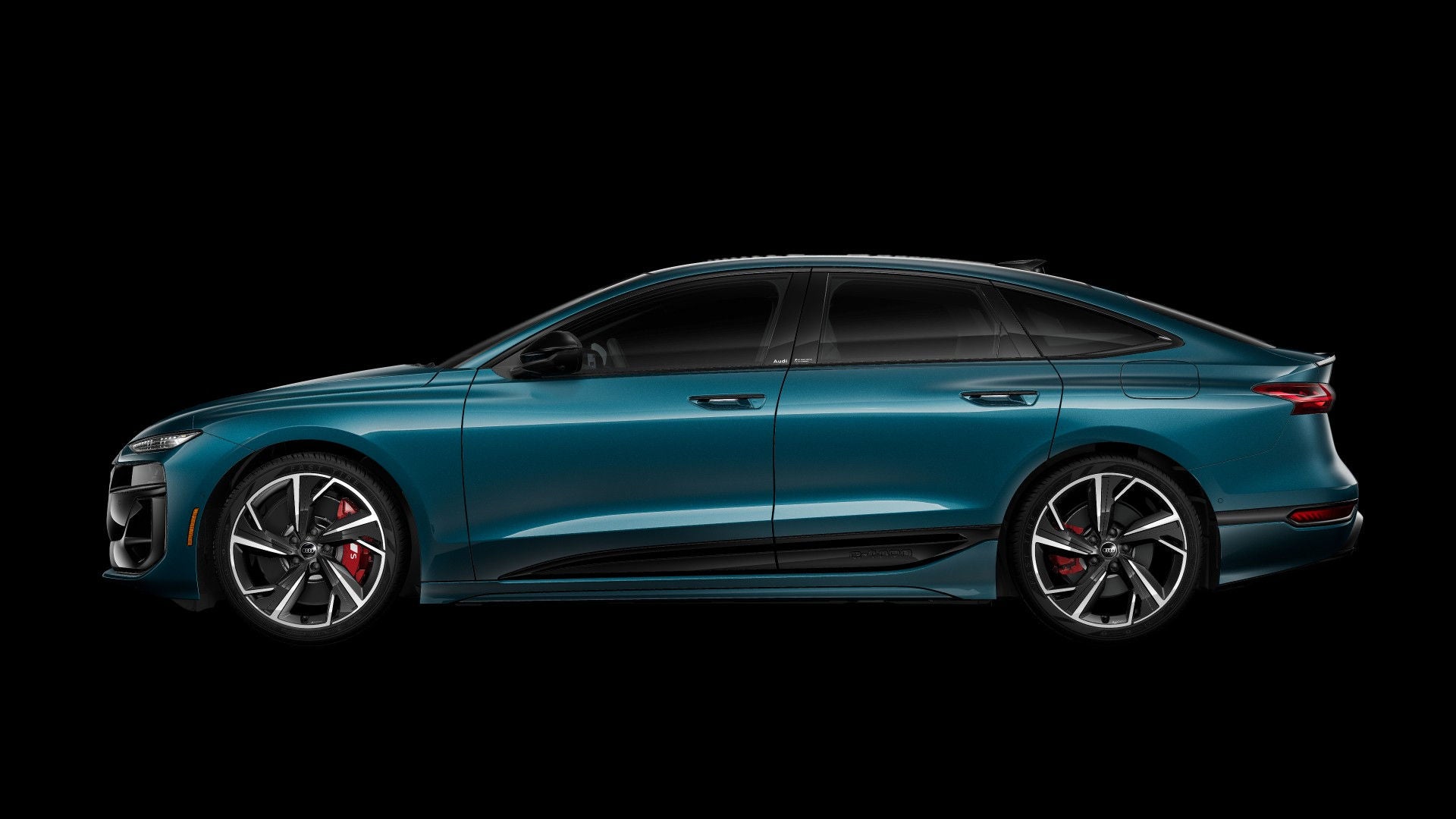
Being one of the fastest Audi models ever is not enough for the RS e-tron GT performance. It also stuns with breathtaking looks and a race inspired cockpit.
Being one of the fastest Audi models ever is not enough for the RS e-tron GT performance. It also stuns with breathtaking looks and a race inspired cockpit.
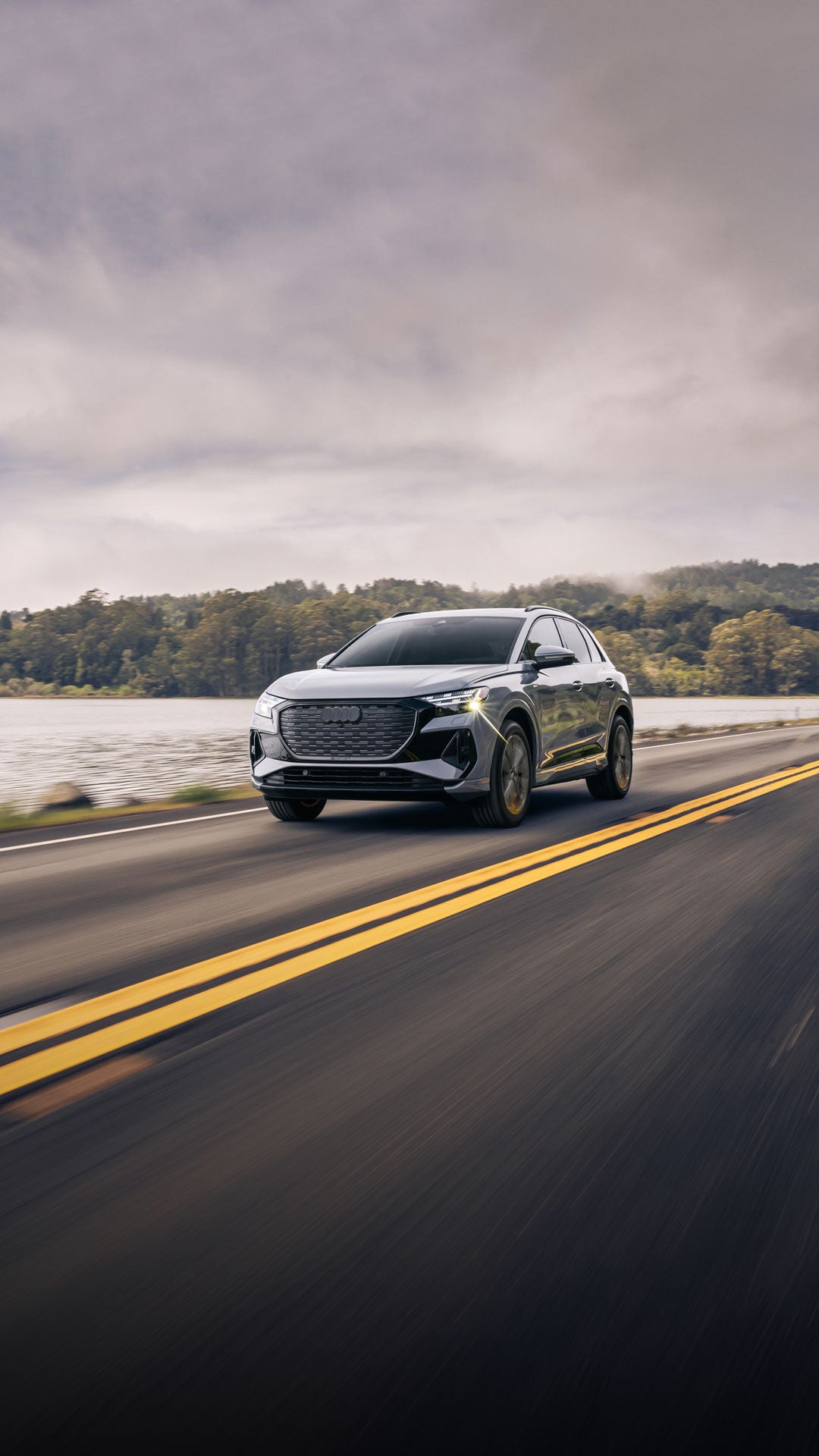
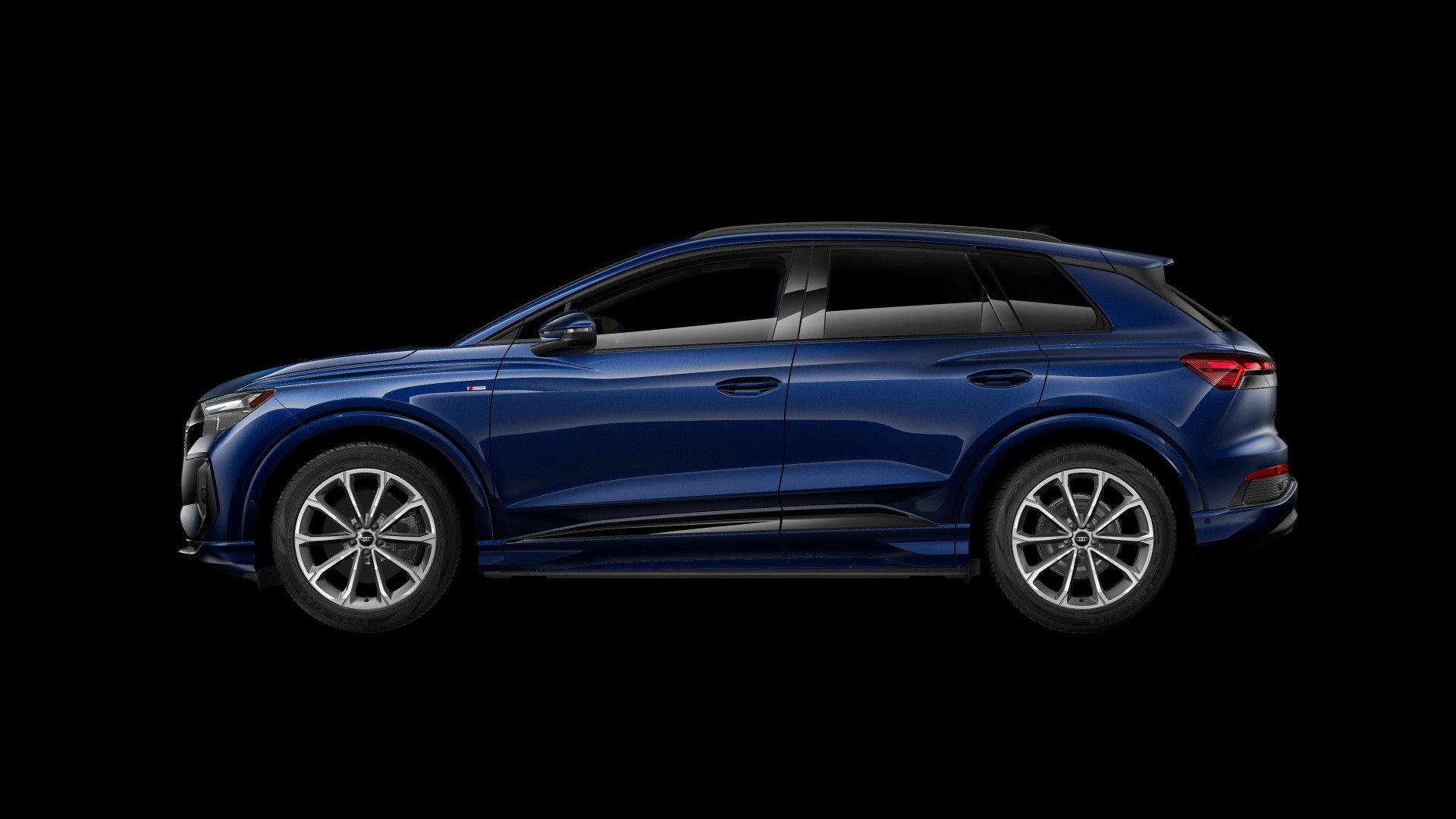
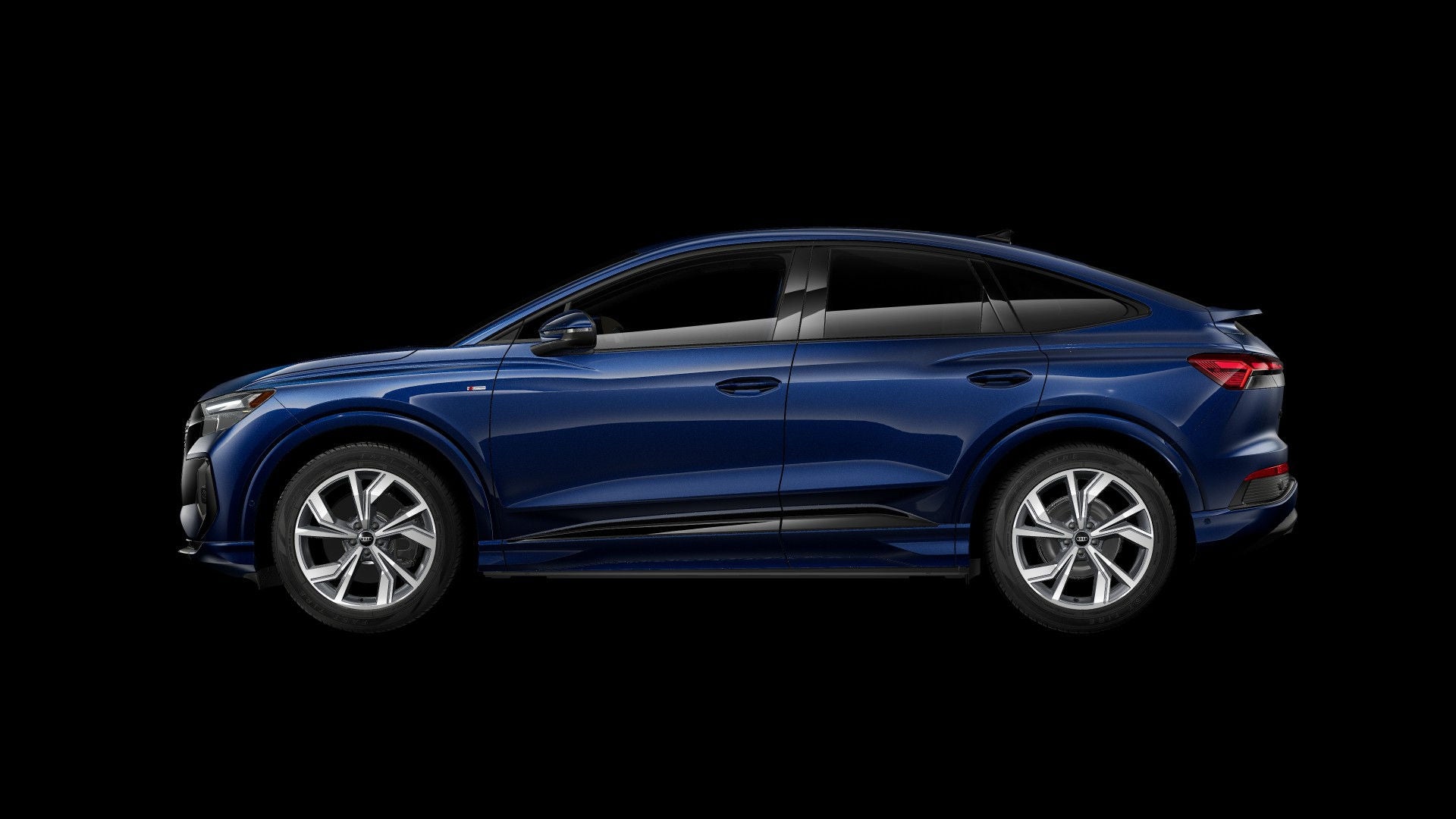
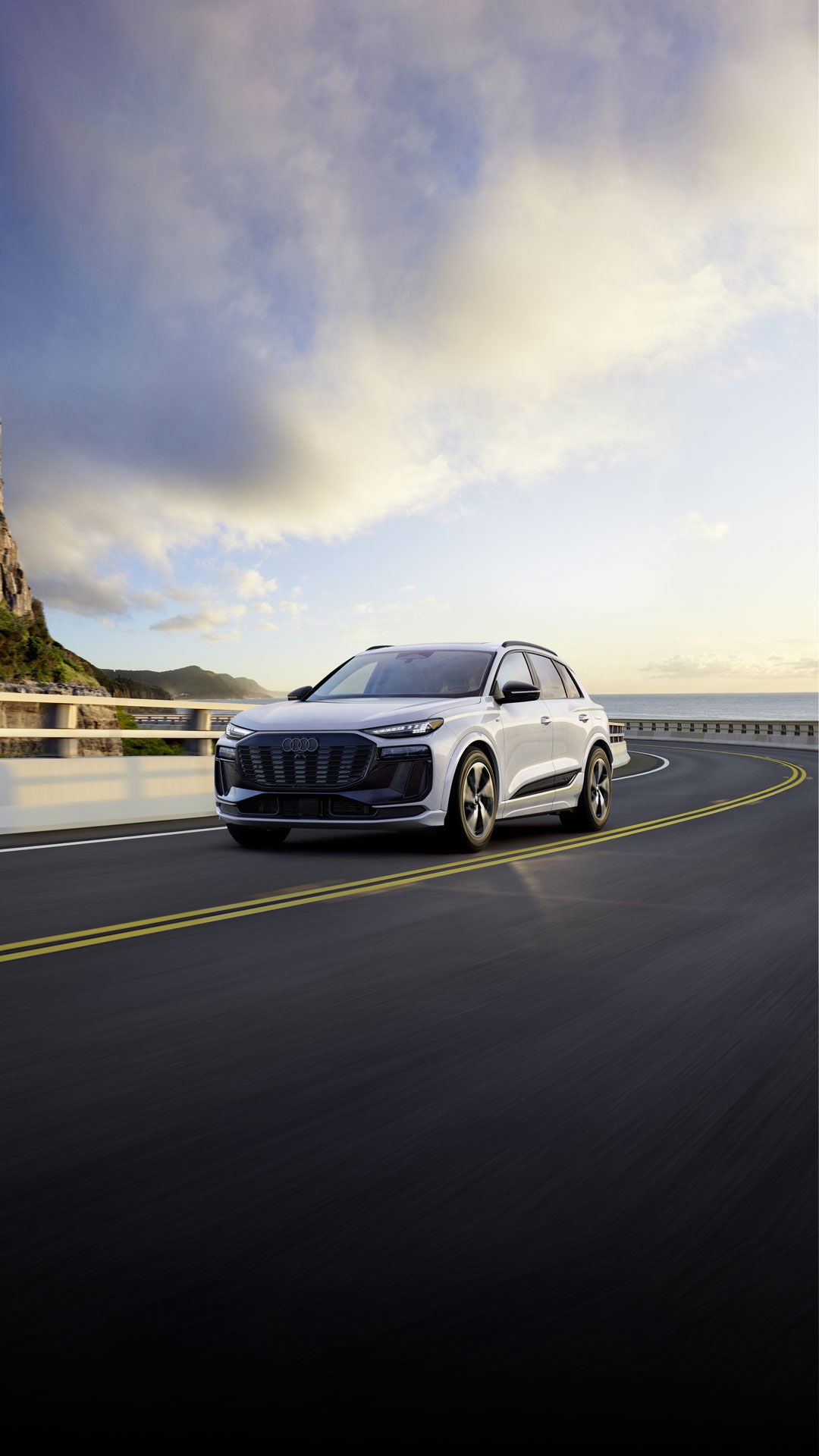
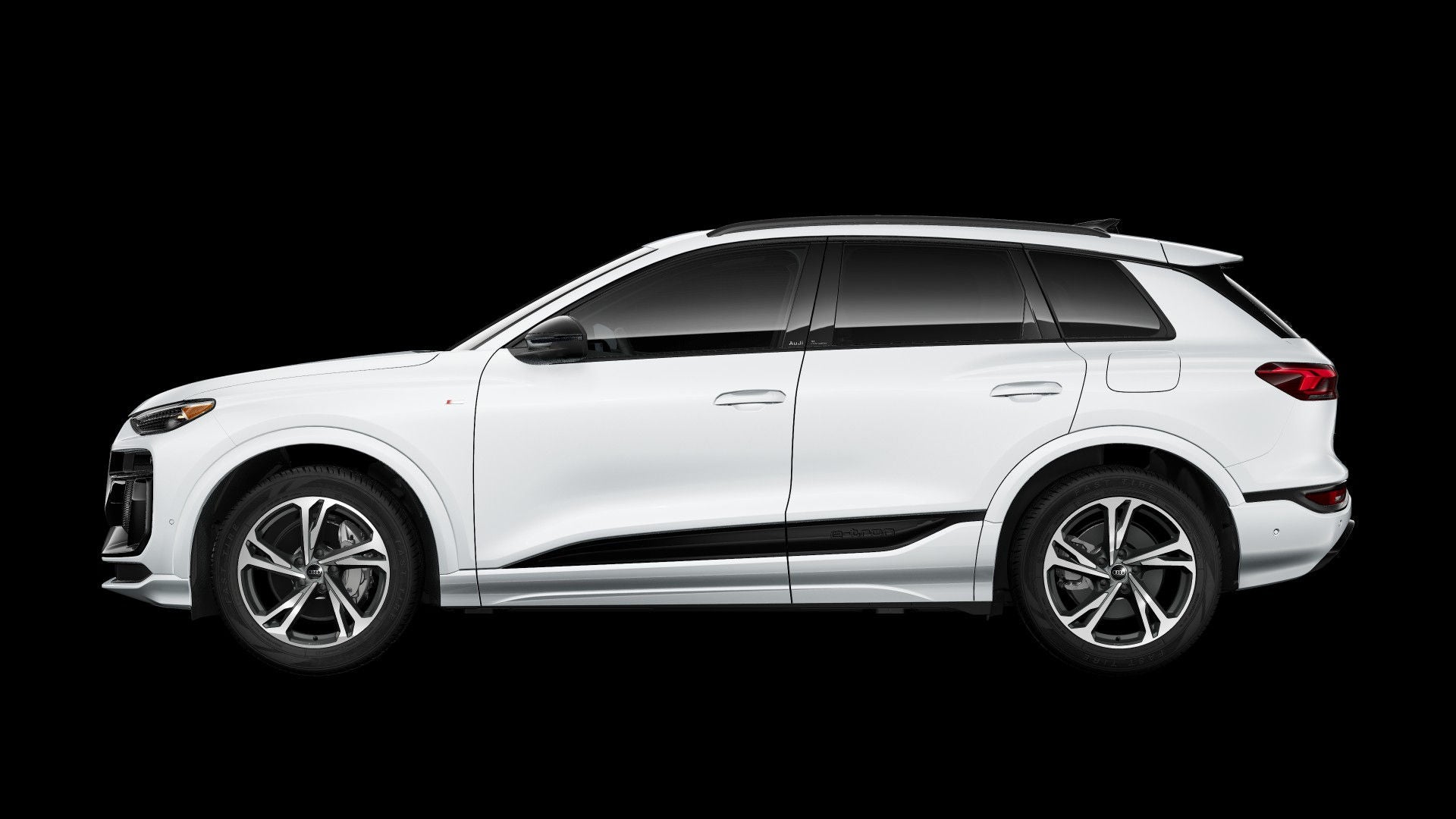
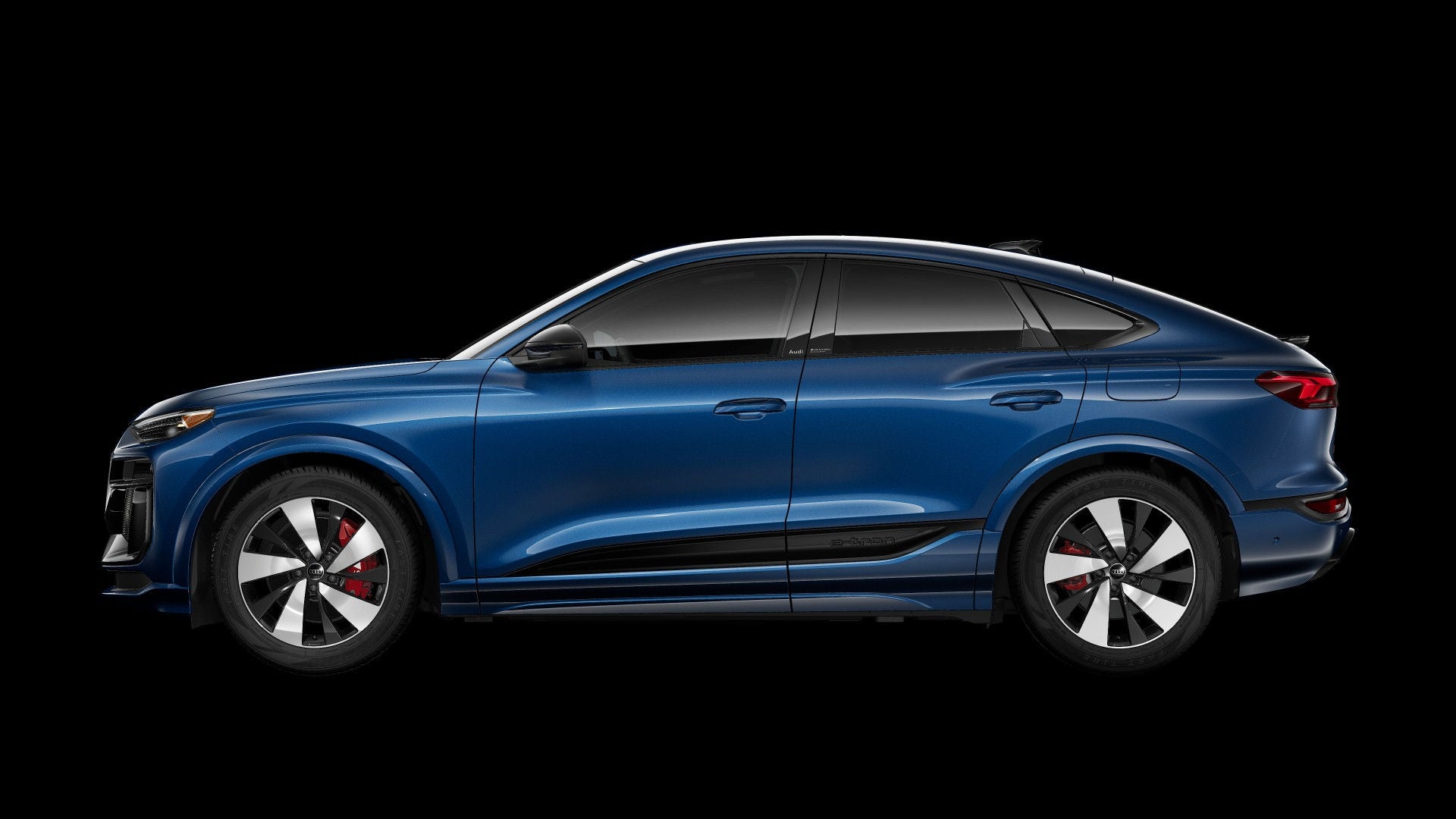
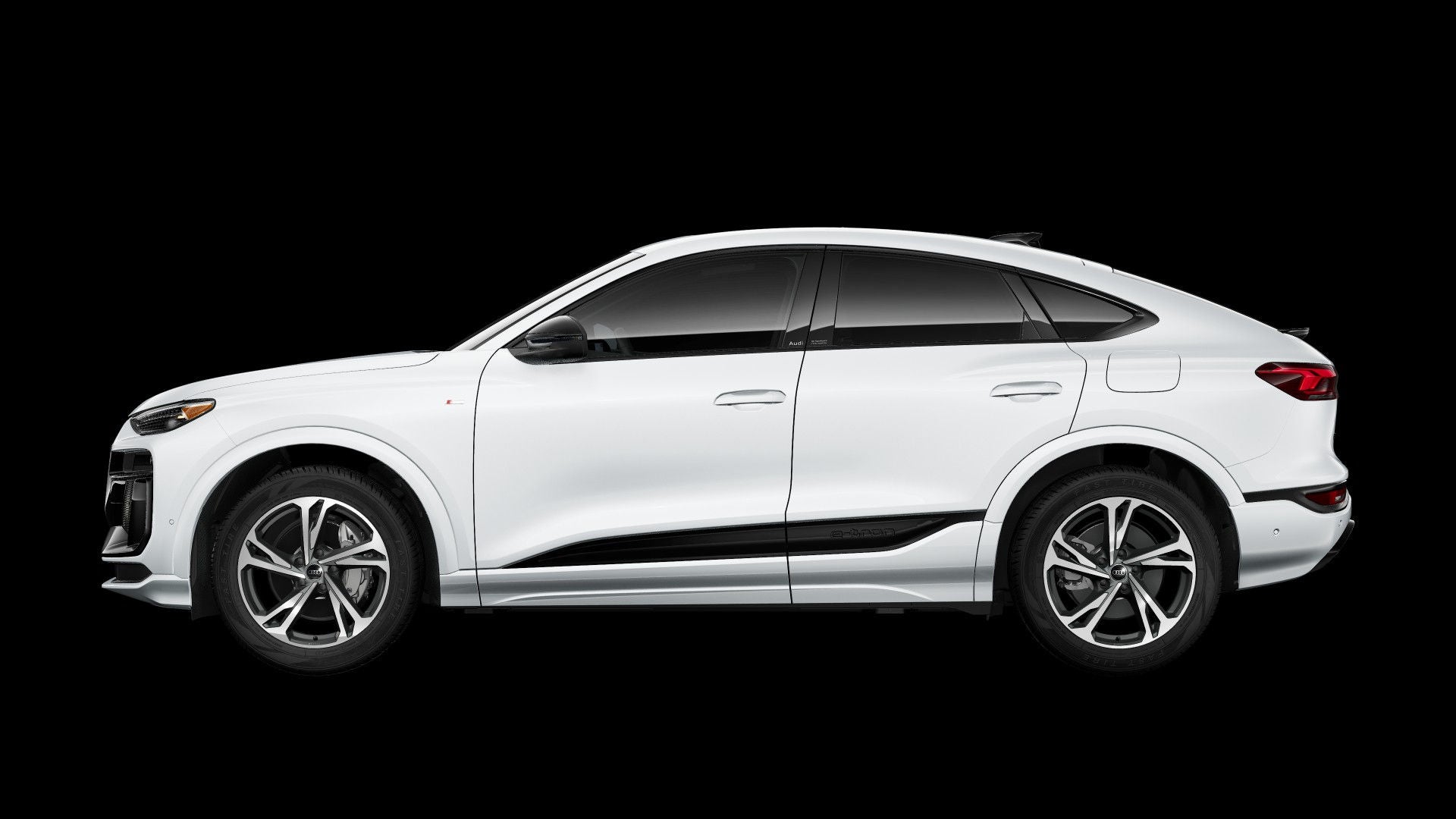
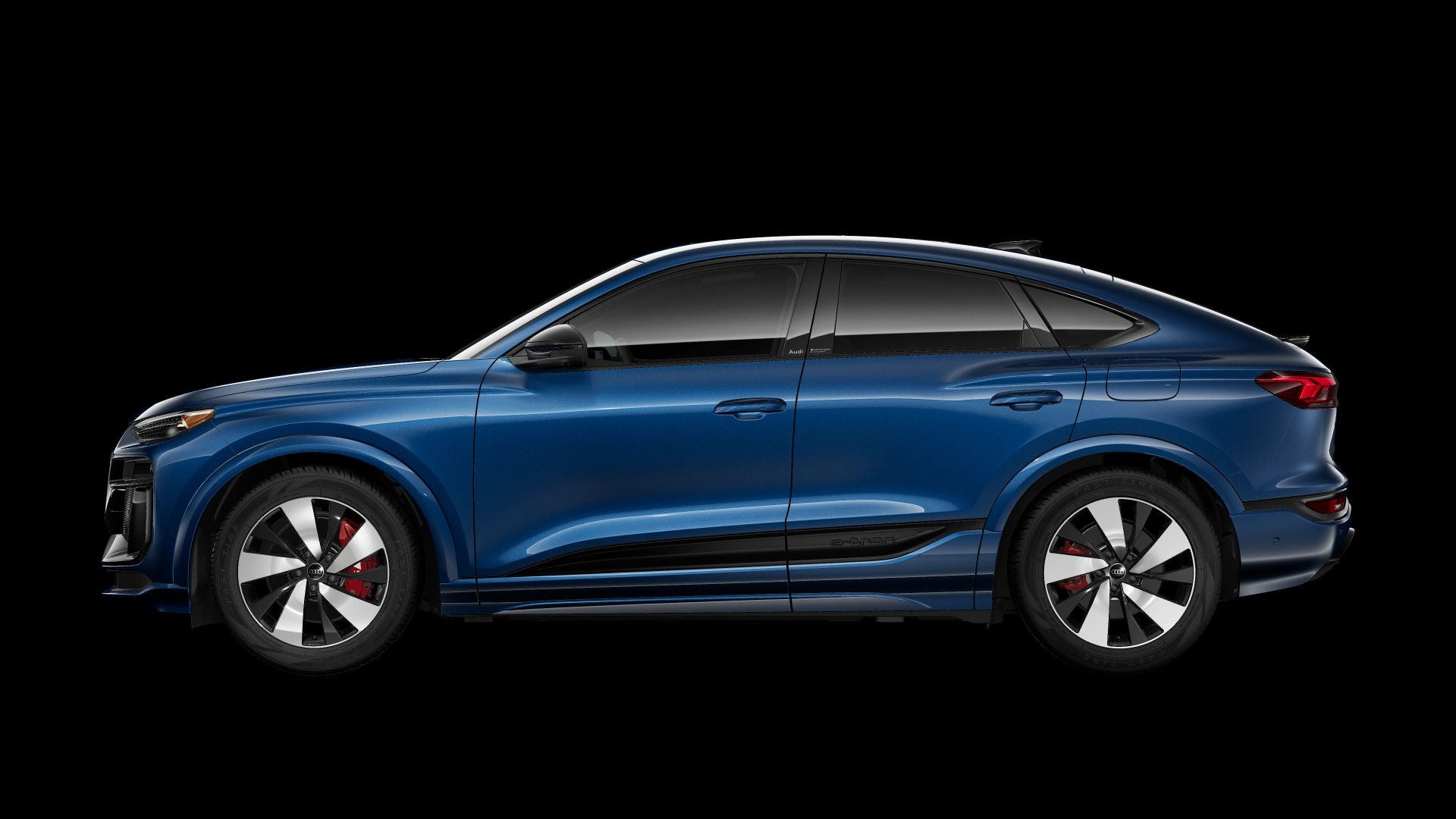
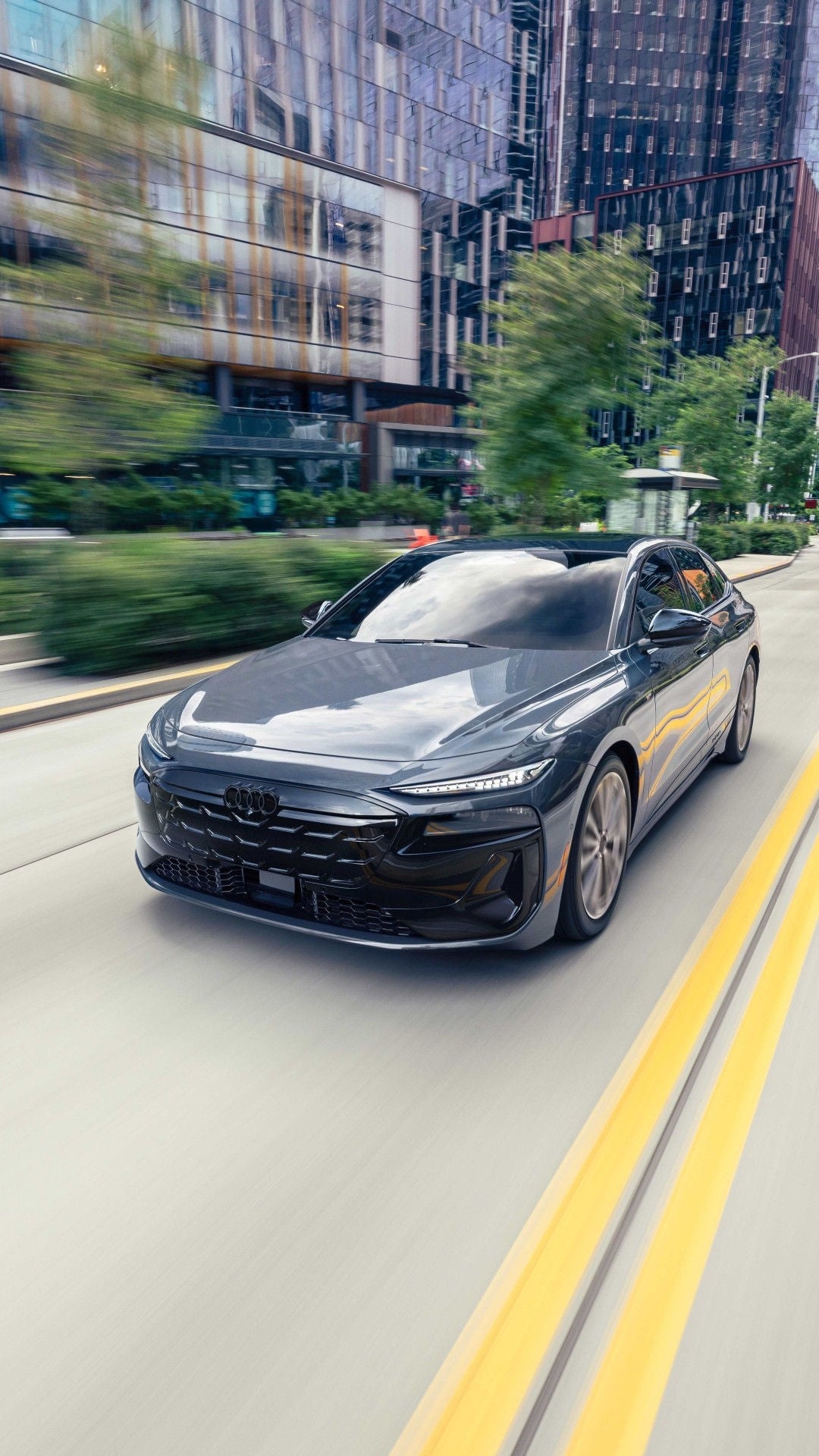
Audi’s e-tron lineup in America includes electric SUVs like the Audi Q4 e-tron and Audi Q6 e-tron. High-performance electric cars like the Audi S e-tron GT and Audi RS e-tron GT performance are also available. This range covers everything from entry-level EVs to flagship performance models.
The Audi RS e-tron GT performance is currently the fastest and most powerful Audi EV, producing up to 900+ horsepower with launch control and delivering extremely quick acceleration.
Range varies depending on the model. For example, the Audi RS e-tron GT performance offers an EPA-estimated range: with 20" wheels 278mi, while SUV models like the Audi Q4 e-tron can reach EPA-estimated range: over 280 mi depending on configuration.
Many Audi e-tron models use advanced 800-volt architecture. These vehicles can charge from approximately 10% to 80% in as little as 18 minutes under ideal DC fast-charging conditions.
No, not all do, but most Audi e-tron models offer electric quattro all-wheel drive, using dual motors to independently power the front and rear axles. This provides improved traction, especially in challenging weather conditions.
“S” or Sport models like the Audi S e-tron GT balance performance and comfort, while “RS” or RennSport models such as the Audi RS e-tron GT performance are engineered for maximum performance, offering more horsepower, sharper handling, and track-focused enhancements compared to the S models.
Yes, Audi e-tron vehicles are designed for daily usability. Models like the Audi Q4 e-tron prioritize comfort and efficiency, while even performance models like the Audi e-tron GT include features such as route-based charging planning and driver assistance systems.
Audi e-tron models when available may include features to enhance your EV ownership experience that improves confidence, and everyday usability. Features like the Audi Virtual Cockpit provide real-time energy usage and range data, while augmented reality navigation overlays directional guidance visuals directly onto the road ahead. Intelligent route planning is tailored for electric driving, automatically incorporating charging stops, battery preconditioning, and live charger availability to optimize long-distance travel. Together, these systems create a seamless, tech-forward EV experience that prioritizes convenience and confidence behind the wheel.
Charging time depends on the vehicle, battery size, and charging method. A Level 1 home outlet may take more than 24 hours for a full charge, while a Level 2 home charger can often recharge a battery overnight. DC fast chargers can add significant driving range in as little as 20–30 minutes, depending on the vehicle and charging conditions.
The cost of charging an electric vehicle varies based on local electricity rates, battery size, and where you charge. Home charging is typically the most affordable option, while public fast-charging stations may cost more for the added convenience. Many drivers find that charging an EV costs less than fueling a comparable gasoline-powered vehicle.
Most electric vehicle batteries are designed to last many years and can often exceed 100,000 miles with proper use and maintenance. Manufacturers commonly provide battery warranties {ft_ev-battery-disclaimer} that cover eight years or longer. Modern EV batteries are engineered to retain a high percentage of their original capacity throughout their lifespan.
Most electric vehicles do not use a traditional multi-speed transmission like a gasoline-powered vehicle. Instead, they typically use a single-speed gearbox that delivers smooth and immediate power to the wheels. This simpler design helps reduce mechanical complexity while providing quick acceleration and responsive performance.
No, fully electric vehicles do not require engine oil because they do not have an internal combustion engine. However, they still require routine maintenance for components such as brakes, tires, cabin air filters, and cooling systems. Maintenance needs are often lower than those of conventional gasoline-powered vehicles.
When comparing vehicle EPA-estimated range, look at the range, battery capacity, charging speed, and efficiency ratings. Range can vary based can vary based on weather, driving habits, terrain, and vehicle load. Evaluating both range and charging convenience can help determine which EV best fits your daily driving needs.
Electric vehicles offer several advantages, including emissions, potentially lower fueling costs, and quiet. Many EVs also feature advanced technology, regenerative braking, and the convenience of charging at home. For many drivers, electric vehicles provide an efficient and enjoyable alternative to traditional gasoline-powered models.